Home Maintenance Tips
Does your home need a water softener?
July 9, 20264 min read
 Anna Wenner
Regular tree maintenance is the best way to avoid damage from fallen limbs (or worse, trees), to limit your fire risk, and to keep your trees growing strong. Keeping your trees trimmed can also mean your electricity and internet are less likely to go out unexpectedly if your lines are above ground.
Ideally, you should do a quick check on your trees before and after any major storm, during droughts, and during extreme temperature fluctuations. The sooner you can identify an issue, the less likely it is to turn from a small concern to a big problem.
At minimum, you should try to do this sort of check once per season.
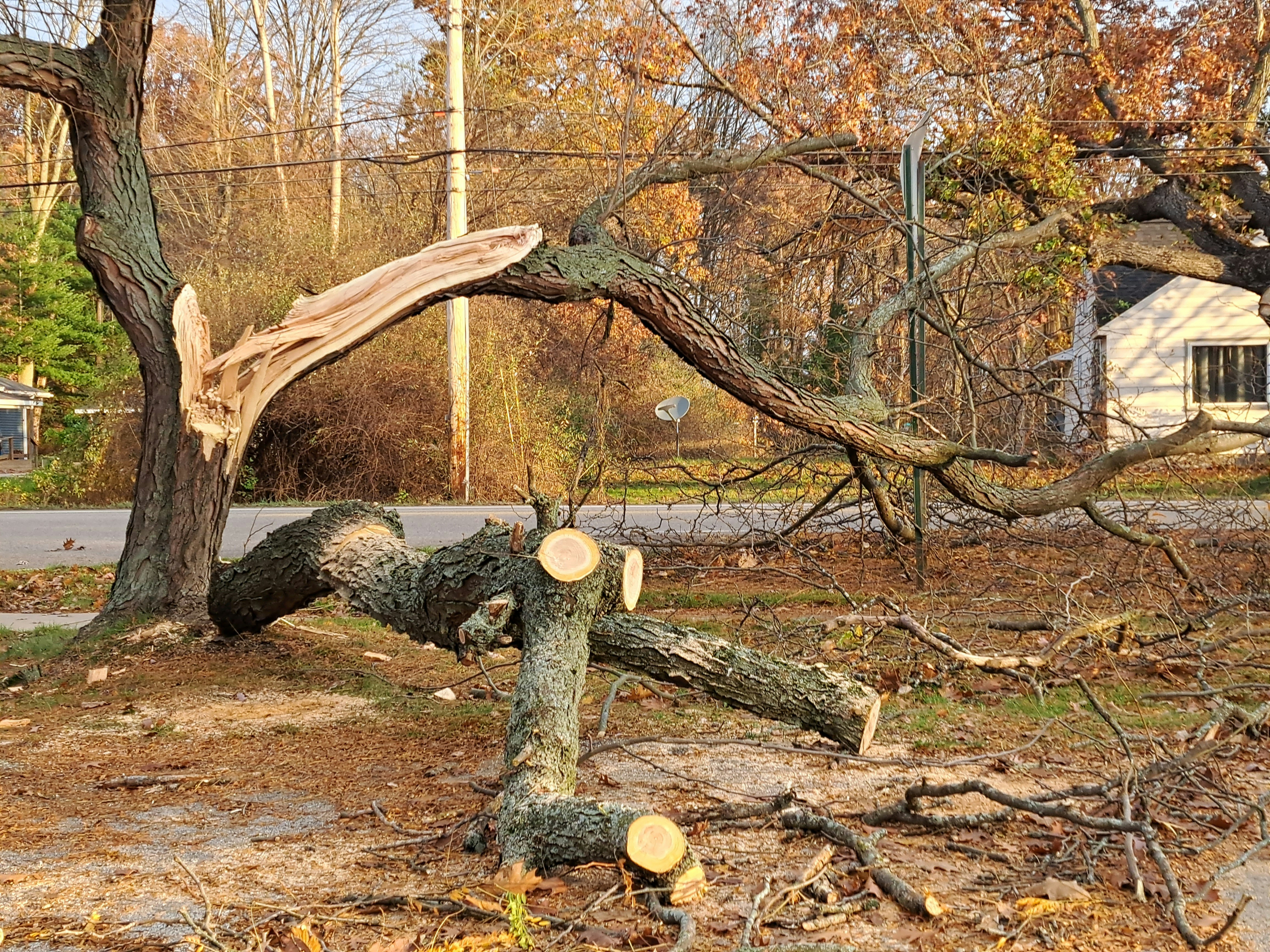
Sometimes it's obvious when your tree is having issues because you'll find a big ol' limb lying across your yard. However, ideally, you want to catch signs that a limb is fragile before it has the chance to fall. Otherwise, you risk damage to your roof, car, fence, or even your whole home.
Take a look at each of your trees from the ground. Look for any branches that seem to be leaning at an unusual angle, have dead leaves (while other branches are green), or are visibly not attached securely at the base.
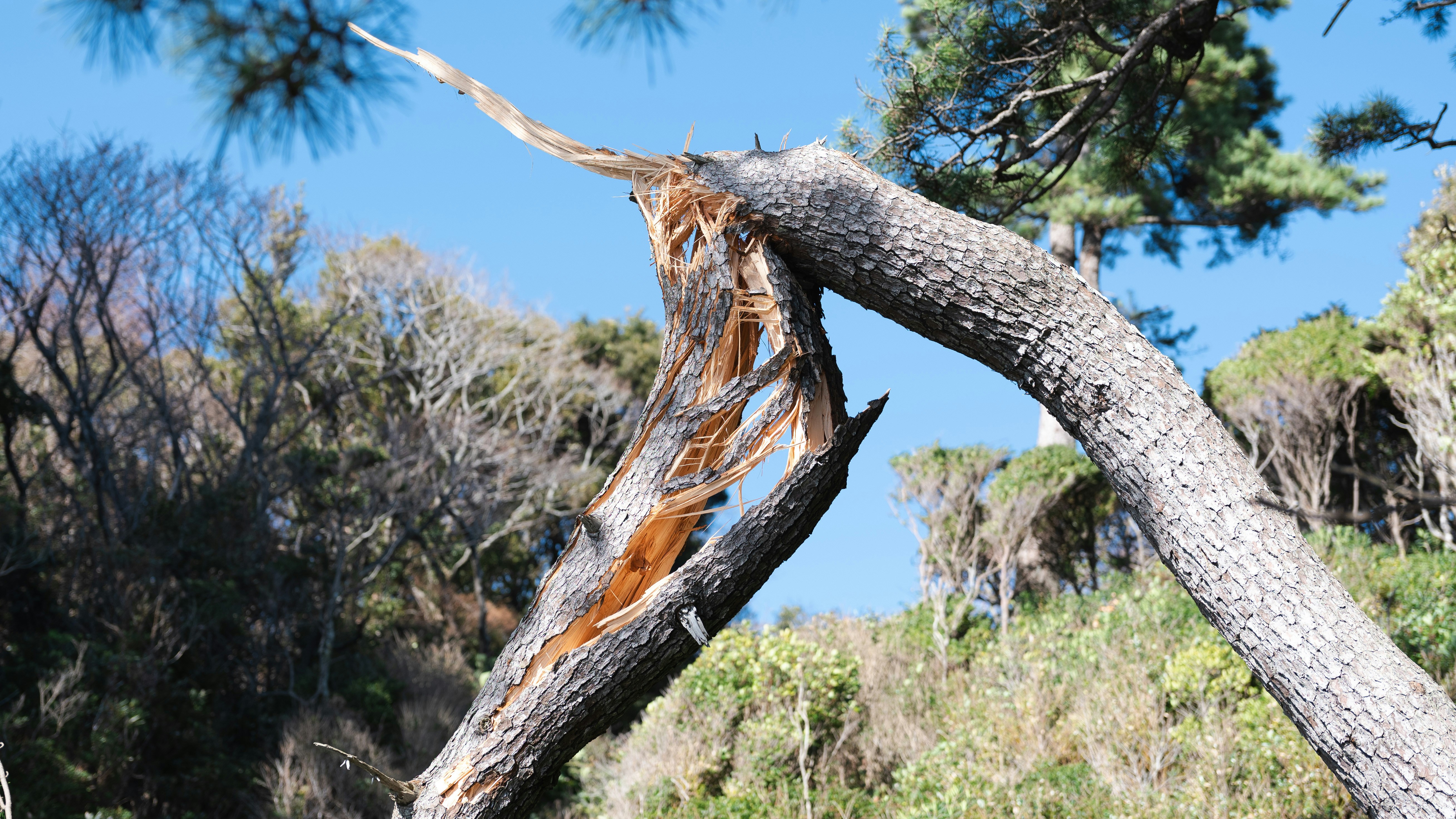
If you see a lot of potential limbs that need attention or any suspicious dead-looking areas, it's probably best to call in a tree company to take a look and give an estimate on what they think needs to be done.
However, if it's just a single lower (and smaller) branch, you can always hop on a ladder and bring it down yourself. Just be sure to have someone spotting you at all times, and if it's in question whether you can remove the branch safely, leave it to the professionals.
Trees that are too close to power lines can cause power outages during storms and pose a fire risk if any lines spark. Because of this, electric companies often keep an eye on the trees that impact their service areas. Tree limbs that are over or growing too close to power lines are likely to get chopped off eventually by your electric company.
While you can certainly wait for this and let them foot the bill, the cuts are often extreme and practical but not pretty. They're done to protect the wires rather than the tree. If you’re attached to how your tree looks and invested in making sure it continues growing for a good long while, you may want to hire a professional before the electric company has to get involved.
You're better off keeping your trees pruned where you can so that they naturally grow away from power lines whenever possible. By discouraging branches that try to grow toward power lines, roofs, etc, you can help guide the tree to a safer shape long term.
After a storm (or if it's just been a while since you've done tree maintenance), there might be a fair number of sticks and branches to deal with.
It's best to keep your yard free of these when possible, as this debris can become a fire hazard as the sticks dry out. If you live in a wildfire-prone area, it's especially important to keep your yard free of branches and to store any piles of sticks or firewood away from any buildings.
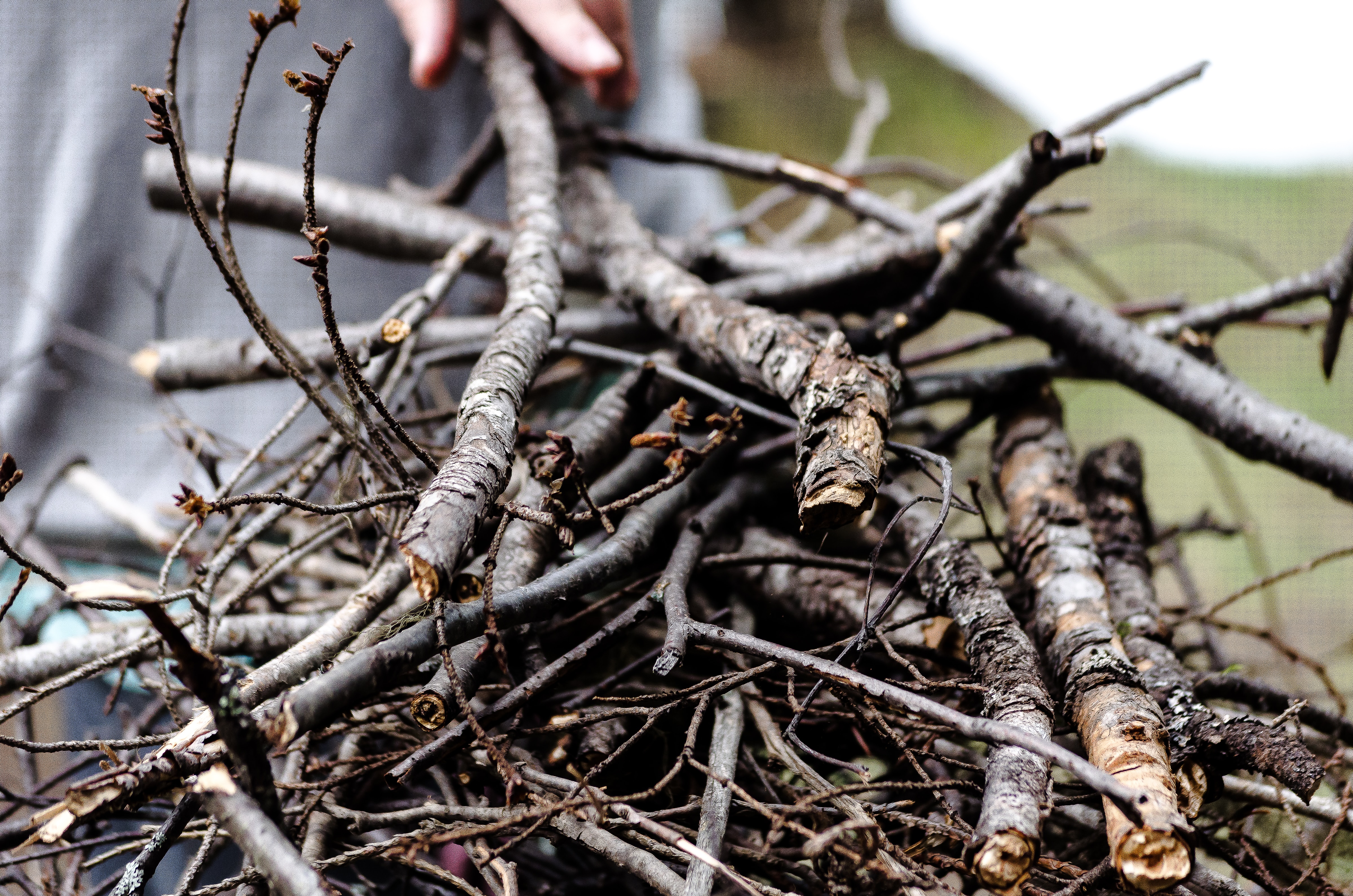
To dispose of fallen branches and sticks, you should consult your trash company’s policy on yard waste. They may have specific regulations around sticks and limbs, in fact. For especially large limbs, you can also have a tree company come to remove them while doing trimming.
In some areas, you can burn the tree limbs in a fire pit or bonfire, but be sure to check burn recommendations for the day and local regulations around open flames. Your weather app will often tell you if it’s a high burn risk day, usually meaning there has been little rain and/or it’s windy so fire could easily spread. Never start a burn beside a structure (especially your home), and keep a fire extinguisher handy just in case.
Never put gasoline on a bonfire or fire pit to make it burn faster or to start the fire. Gasoline can travel from small drops and through vapors in the air, and when pouring it can easily get on your skin and clothes. Don’t be like the guy I know who got severely burned doing so at a bonfire. Trust me, it's not worth it.
It can be hard to tell if a tree is dead in the fall and winter, as most go dormant and lose their leaves. However, if you reach summer and fall and find that your tree hasn't gained any leaves or has only dead leaves, it's a pretty good sign that the tree has reached the end.
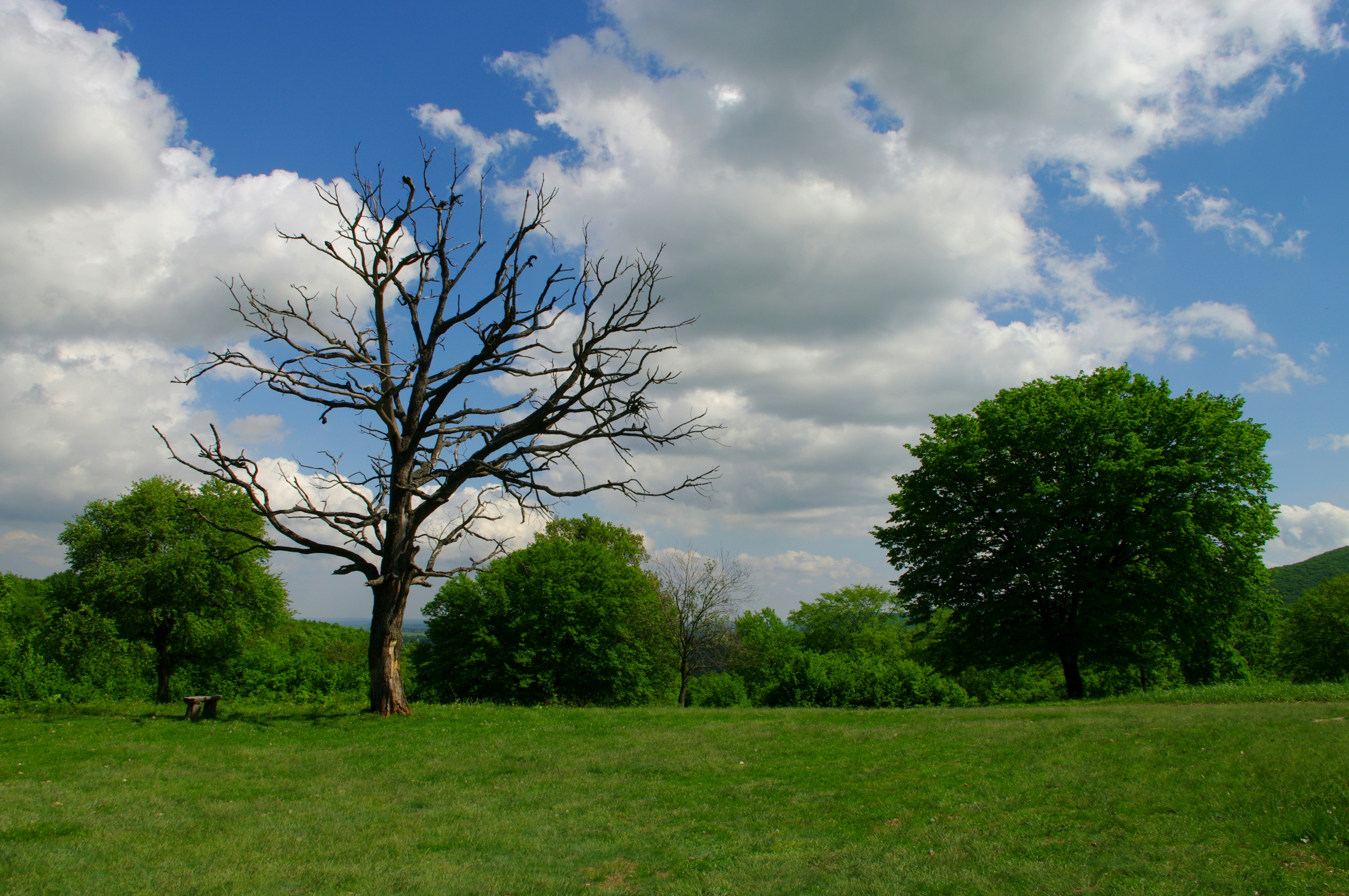
It's best to deal with a dead or dying tree sooner rather than later to avoid any risk of it falling and harming your home or, even worse, a person in the wrong place at the wrong time. Dead trees will rot, dry out, and hollow out, leading to weaker structures that are more likely to fall during a storm or catch fire easily.
Ideally, you want to avoid any large branches dangling over your roof, as even the healthiest tree can lose a branch during a storm.
It's especially important to make sure that there are no branches near chimneys, as the dripping water from leaves can lead to water damage around the chimney, and the branches can pose fire risks for any sparks that come out of the chimney.
While not essential, getting an inspection and quote from a tree company can be a great way to make sure your trees are in good health. Always get multiple quotes before hiring a new company, especially if the first quote feels particularly high. If it’s your first time choosing a tree company to work with, look for those who answer questions thoroughly, are responsive to messages, and have any required insurance for your state.
Even if your state doesn’t have insurance requirements, make sure that either you or they have some form of liability or umbrella insurance that will cover any accidents that could occur on your property.
If you have delayed tree maintenance, there may be quite a bit to trim, but it's cheaper to deal with those all at once for the same tree than to spread out the cost. (Much of the cost is the time and safety equipment needed to get high in the tree, so the actual cutting is minimal by comparison.)
These companies can also advise you on anything to watch out for, such as older trees at risk of falling on your home or trees that seem close to the end of their life.