Home Maintenance Tips
Does your home need a water softener?
July 9, 20264 min read
 Anna Wenner
Rodents like mice and squirrels might be cute when you encounter them in the wild, but they definitely don't make polite houseguests. They can damage your home, bring in disease, and generally create an unclean and unsafe environment.
One of the best ways to keep mice and rodents out of your home is to make sure you notice and deal with any pest problems before they get out of hand.
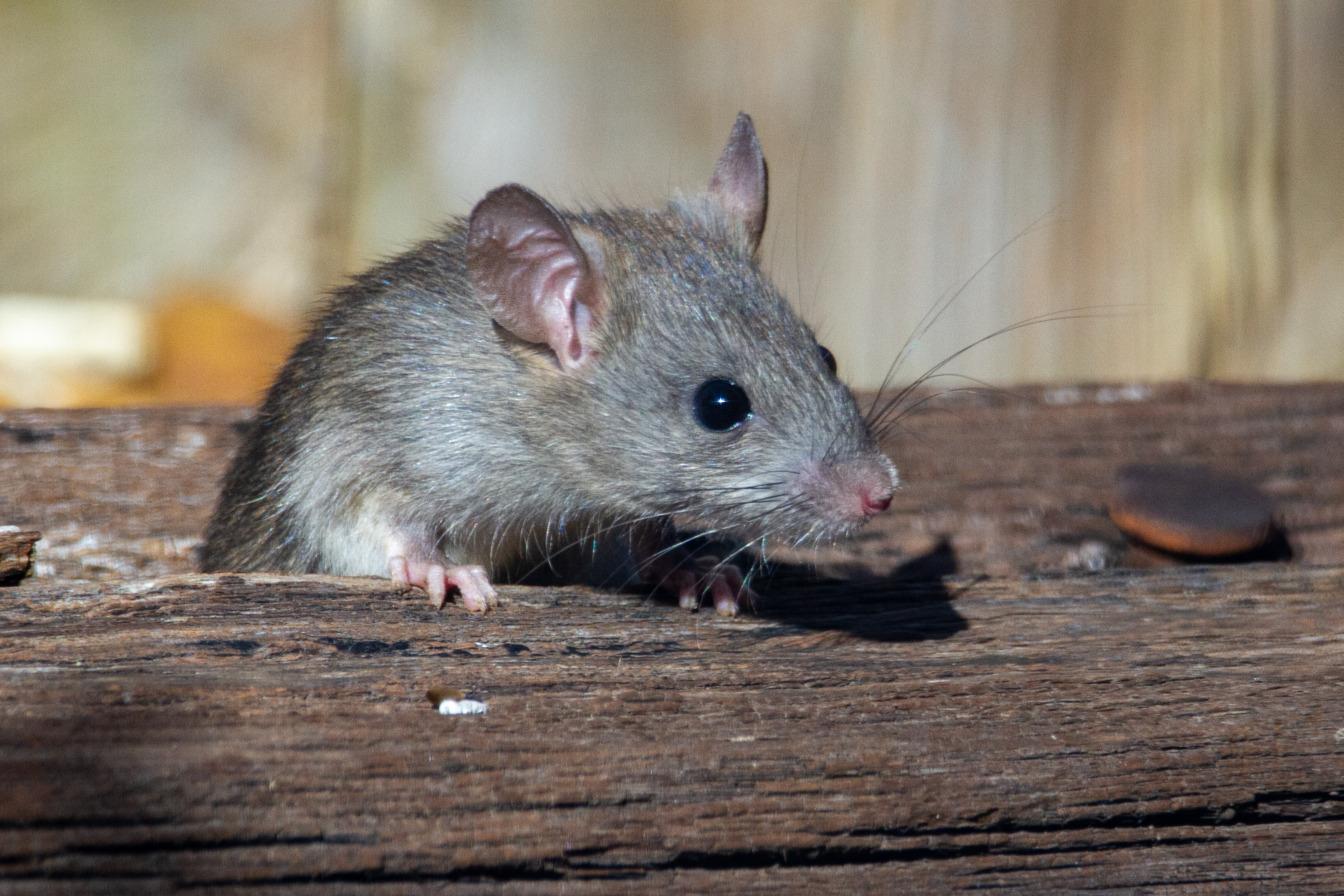
Having a mouse or two in an older home isn't unusual, and it doesn't mean that your home is dirty or poorly cared for. Mice can fit through a hole the width of a pencil (about 1/4 inch), so it doesn't take much for one to make it inside.
While seeing a mouse is no reason to panic, there are still some very good reasons to do everything you can to keep rodents out of your home.
Rodents in the home can:
Cause damage to walls, furniture, appliances.
Start fires by chewing through wiring.
Carry fleas, ticks, and mites.
Transmit diseases such as Hantavirus with their feces, urine, saliva, and blood.
Before you make sure everything is sealed up, it's a good idea to check if there are rodents already living inside your home (or have been in the past).
Look for signs of droppings, unexplained holes, and chew marks or damage. Check along the roof, especially in places like eaves or rafters where there is more space, around windows and doors, around the foundation, and around any exterior vents.
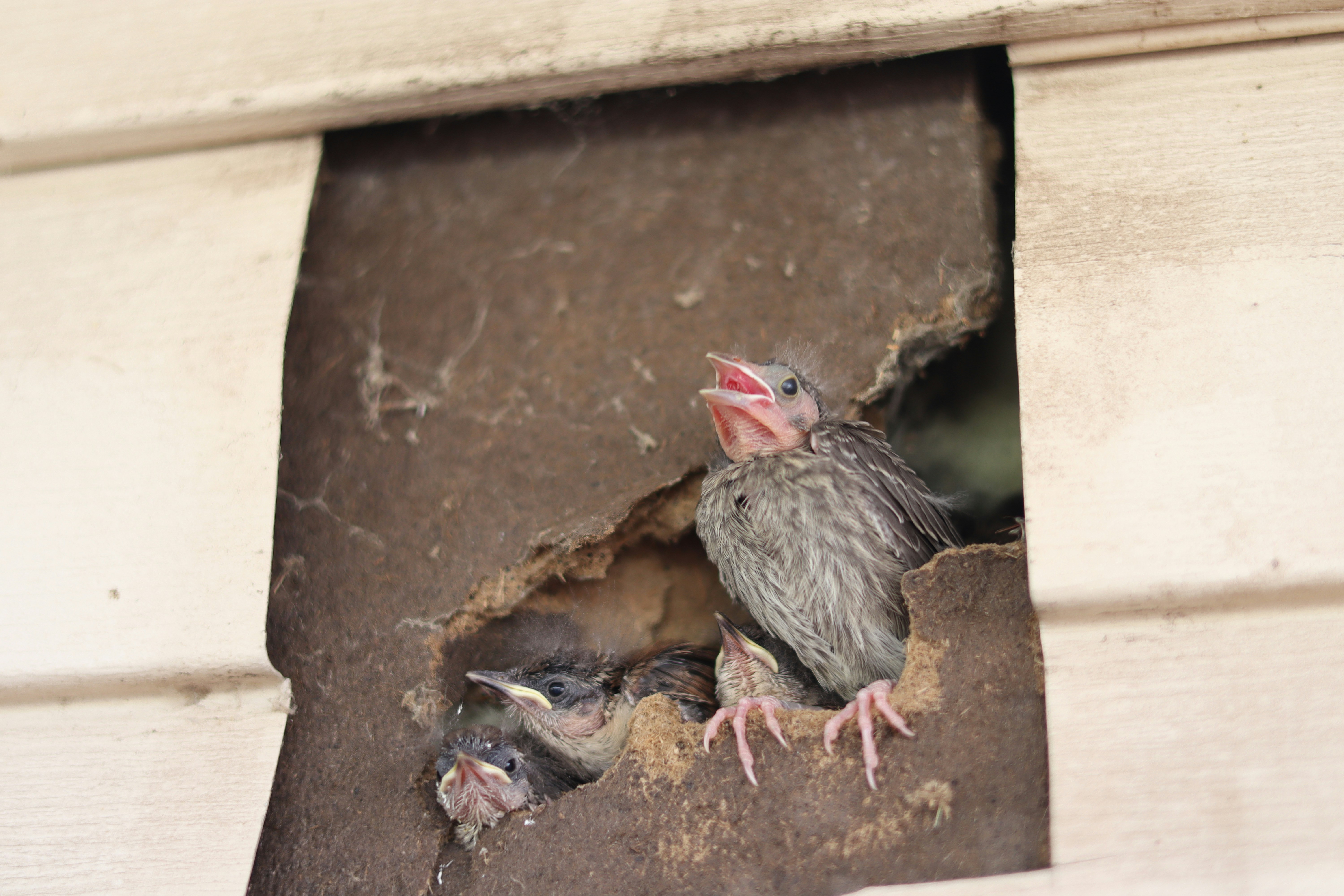
Be sure to also check any existing holes, such as those made by pets, as they can look like an appealing place for a pest to set up shop if given the opportunity.
Inspect every room of your house while looking for the same signs as above as well as any unexplained damage to furniture, appliances, or wiring.
Pay especially close attention to the inside of any exterior walls, less used areas of the home, more cluttered areas, kitchens, basements, attics, storage rooms, and bedrooms.
Look inside, under, and behind kitchen cabinets. Check in corners of closets, around fireplaces, around windows and doors, behind appliances, around pipes and washing machines, near vents, around floor drains, and along the areas where walls meet floors.
Basically, if there is food easily available or if there are quiet places where a rodent could live undisturbed, those are the places you’re most likely to find activity.
Sealing up any entry points is one of the best ways to keep out unwanted pests. Just remember that as time passes and your home settles, you'll need to repeat this step periodically.
Checking once a year at minimum is usually a good call. You'd be surprised how easy it is to do this once and then forget about it. If you log this task in the Domis app, you can actually the task will repeat as often as you like and send you reminders.
Use caulking or spray foam (available at any hardware store) to fill any holes that you find. Including steel wool can help discourage rodents from chewing through the caulking, while tougher substances like steel mesh or cement should be used for larger holes or especially stubborn critters.
Basically, your goal is to stop any easy entry into your home no matter how large or small a pest might be.
Check for any easily-accessible food or garbage inside your home and move it to a sealed container.
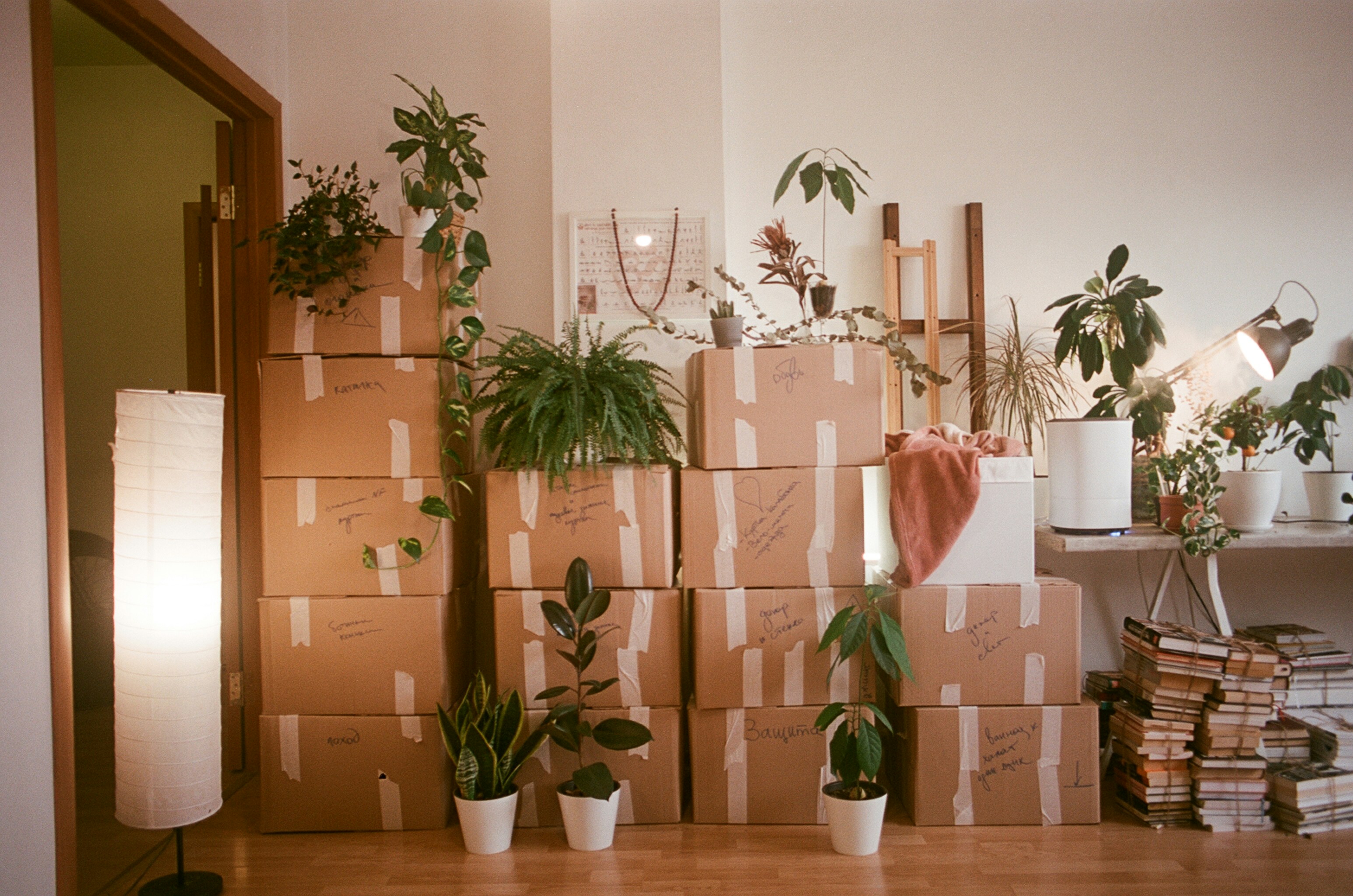
De-clutter rooms wherever possible, especially by removing any large stacks of paper, newspaper, or cardboard which can all help rodents hide.
Outside, keep any cooking areas clean and keep wood piles, composting bins, and bird feeders away from the home. Ensure that any plants within 100 feet of your home are kept trimmed and not overgrown so that they don't provide easy places to hide or live for pests.